Blog AngioGold Academy
Medical articles on endovenous laser, minimally invasive techniques and updates in angiology practice. An editorial selection from the AngioGold blog.
 varicose veins · complications
Laser or open surgery: what the network meta-analysis found about complications
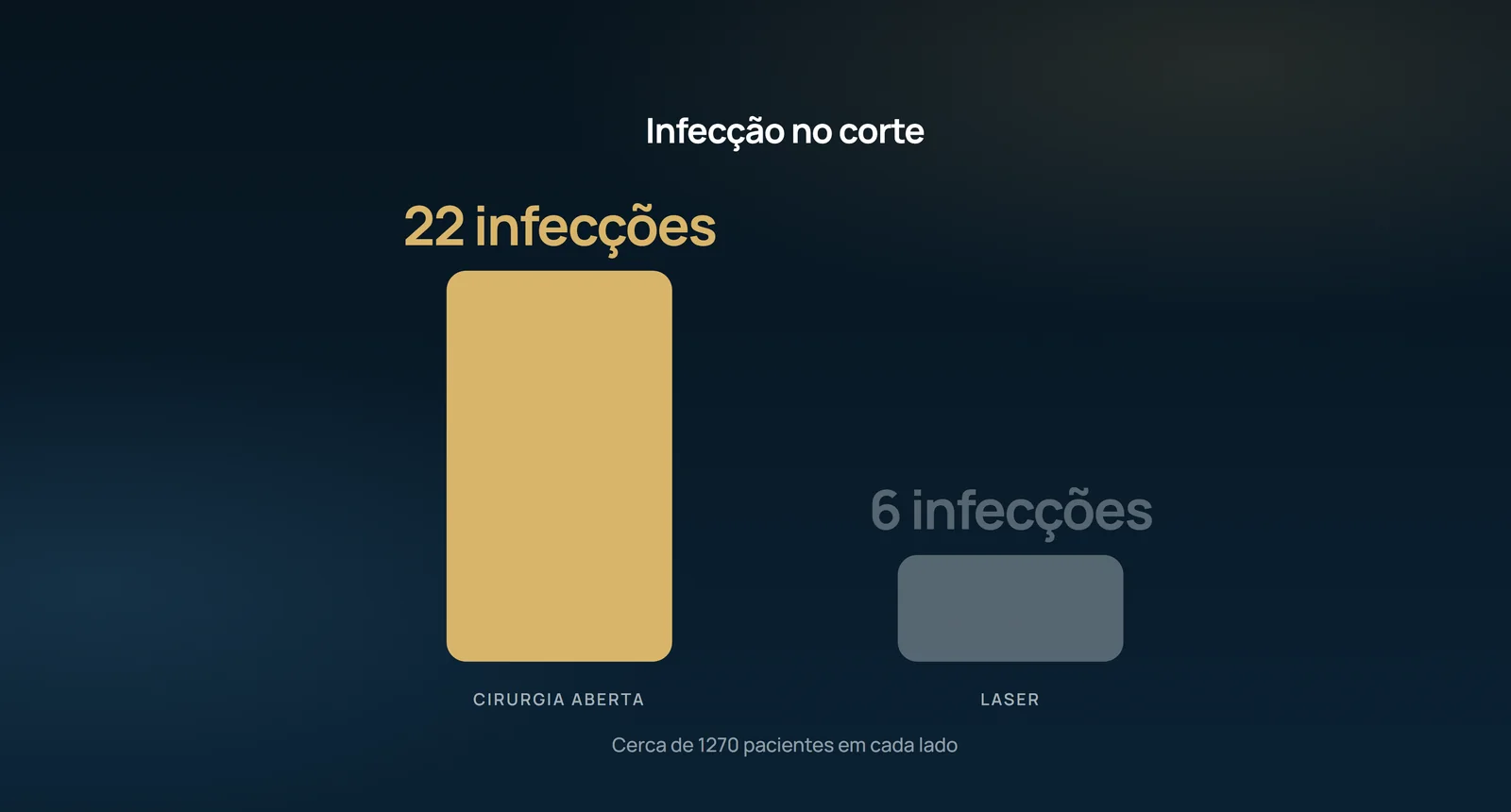
In the meta-analysis by Siribumrungong et al. (72 randomized trials), wound infection was lower with intravenous laser than with open surgery (6 of 1270 × 22 of 1276; RR 0.41; high quality). Hematoma and paresthesia were also minor; thromboembolism did not differ.
10 November 2026 · 3 min of readingRead the article → Endolaser · tributaries
Varicose veins after saphenous laser ablation: the second step in tributaries
The ablation of the saphenous trunk does not directly treat branch varicosities. In the Disselhoff series, cited by Park et al., 21.5% of the limbs had persistent varicosity of accessory and needed additional treatment.
9 November 2026 · 3 min readingRead the article → Transdermal laser · post-session
Spider vein laser treatment: what the skin shows from the first minute to week 16
In the study by Parlette and collaborators, 18 women with telangiectasis from 0.1 to 1.6 mm had a session of Nd:YAG and were followed for 16 weeks. Erythema, edema, purpura, thrombus in larger vessels and hyperpigmentation appeared in predictable moments; mean satisfaction was 4.2 of 5 and perceived improvement was 3.8.
8 November 2026 · 3 min of readingRead the article →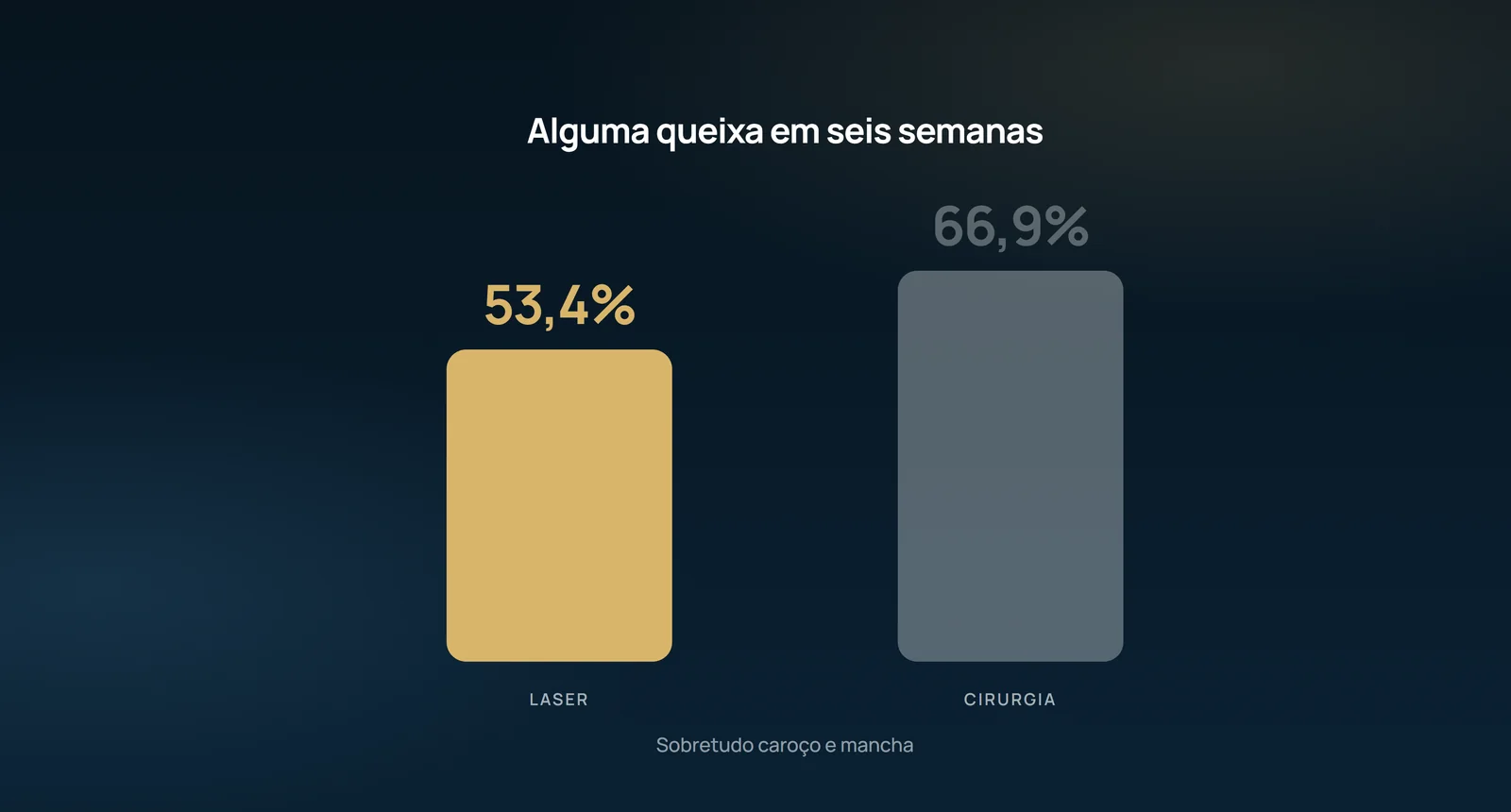 Endolaser · recovery
Laser, foam or surgery: what CLASS showed in the first six weeks
In the CLASS trial, in 6 weeks the surgery had SF-36 scores worse than the laser in body pain, vitality and physical and emotional limitations; the difference disappeared at 6 months. Some complications in 6 weeks occurred in 53.4% on laser, 82.6% on foam and 66.9% on surgery, especially nodulation and staining.
7 November 2026 · 3 min of readingRead the article → Telangiectasias · expectation
Three sessions and the patient's perception: what a split-leg trial revealed
In the trial by Munia et al., after three sessions, 16 out of 30 patients classified leg clearance treated with 75% glucose as good or excellent and 12 out of 30 in the laser leg. The authors attribute the finding to high expectations and reinforce the pre-treatment photographic documentation.
6 November 2026 · 3 min of readingRead the article → Sclerotherapy · compression
Compression after sclerotherapy: what the 2019 guideline supports
The guideline suggests compression after sclerotherapy, but the evidence remains uncertain. There is no guarantee of less stains or ideal duration for everyone.
5 November 2026 · 3 min readingRead the article → Lipedema · Staying
Lipedema stages: what changes in management from stage 1 to 3 — and what half-stages add
A series of 102 women staged by a single examiner shows what goes up from one stage to another — pain, leg water, fat on the patella and ankle, risk of lymphedema — and what does not go up straight, such as BMI. For the vascular: where to palpate, what to look for in stage 3 and what the study does not authorize to conclude.
1 November 2026 · 4 min of readingRead the article → Nd:YAG 1064 nm · chromophore
The laser-only arm: what 1064 nm does without a target
A photothermia study set up four conditions on the same wavelength as the course apparatus — nothing, absorber, laser and laser with absorber — and counted colonies in each. The laser-only arm wasn't zero, and he's the one who's interested in shooting 1064 nm into the skin.
31 October 2026 · 5 min of readingRead the article → Sclerotherapy · PG3T
The combination won the trial — but the confidence interval spans 3 to 71 patients
The triple-blind PG3T assay showed superiority of the polydocanol 0.2% + glucose 70% mixture over glucose 75% isolated in telangiectasis sclerotherapy. The question that decides conduct is not whether the difference exists, but how much it is worth — and the answer lies in the NNT and injected volume.
30 October 2026 · 4 min of readingRead the article →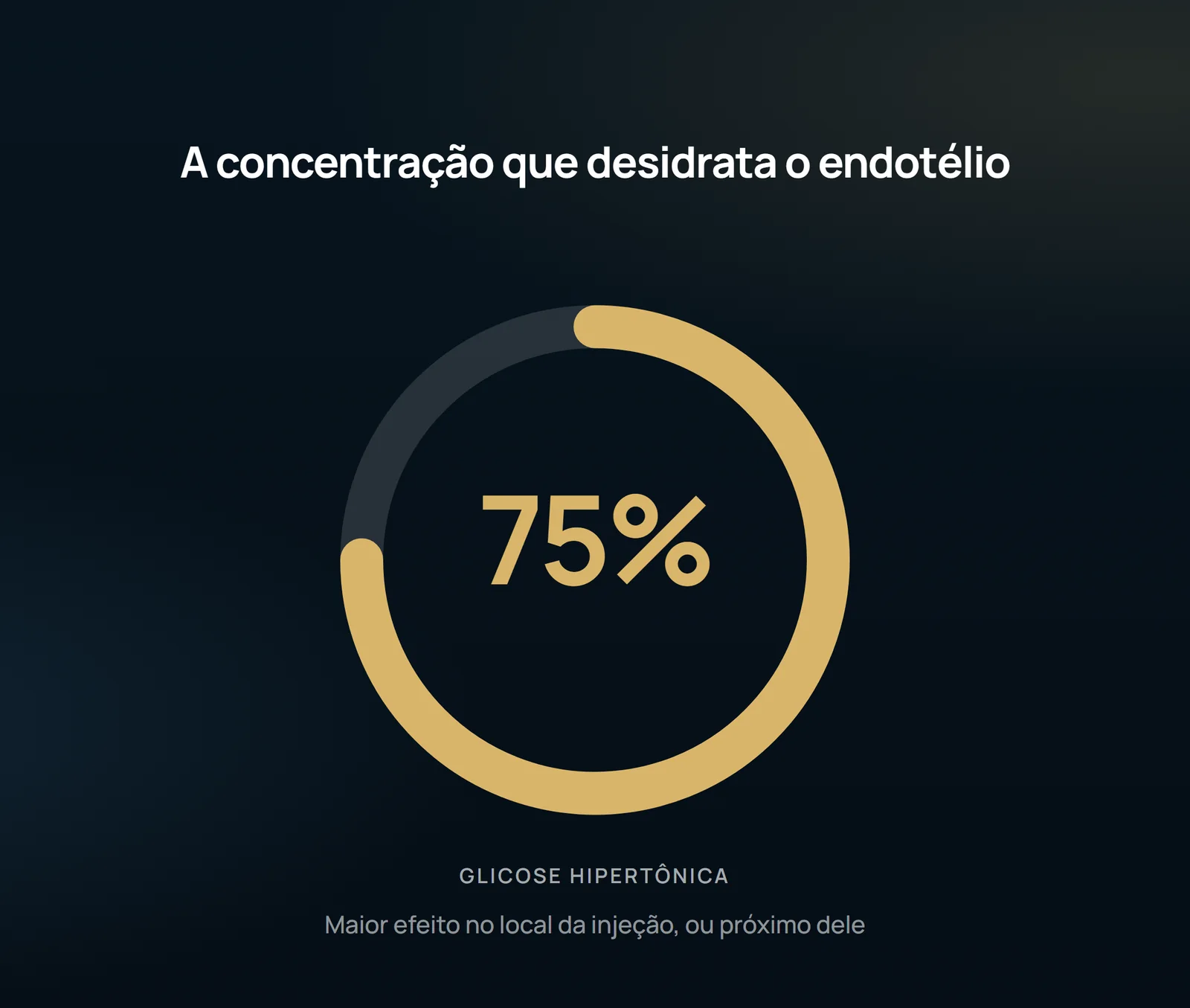 Telangiectasias · indication
Laser performed worse for pain and satisfaction — yet still has a role
In the intrapatient study of Munia and collaborators, sclerotherapy comes forward in cost and pain. The conclusion, however, maintains three nominal indications for laser — and explains why the pain measured says more about protocol than technology.
28 October 2026 · 4 min of readingRead the article →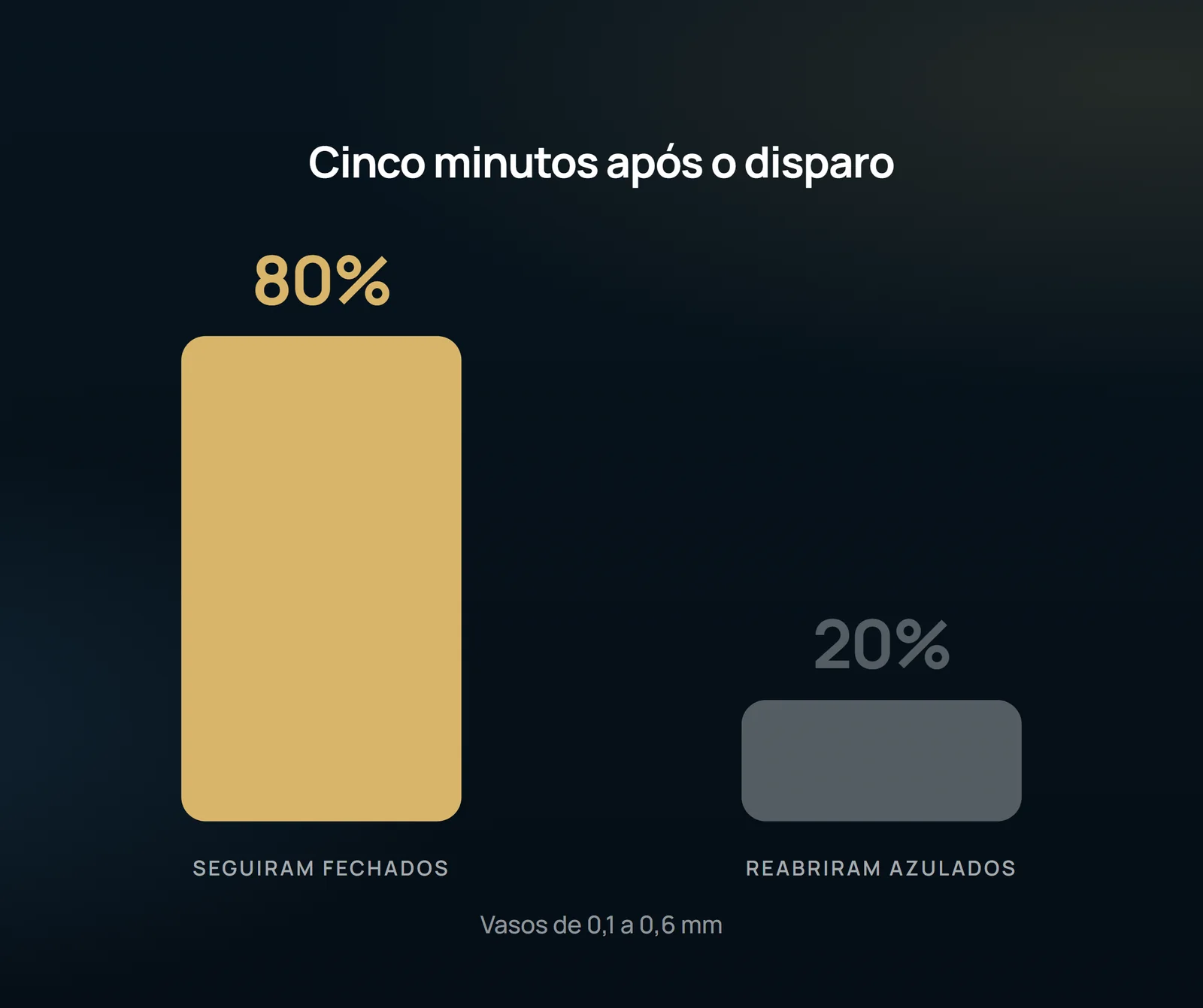 Transdermal laser · immediate response
A window of seconds: when a second pass still closes the vessel — and when it only adds heat
The vessels bluished instead of disappearing. The study by Parlette et al. describes what happens in the five minutes, in the fifteen minutes and in the next 21 days — and when a second step still contracts the vessel.
27 October 2026 · 3 min of readingRead the article → CLASS test · drawing
Who CLASS did not study — and why the laser-versus-foam comparison is post hoc
The CLASS trial is cited by outcomes. This text reads the drawing: 6592 screened for 798 randomized, two strata of centers with different options, and the comparison between laser and foam that was decided after the test.
26 October 2026 · 4 min of readingRead the article →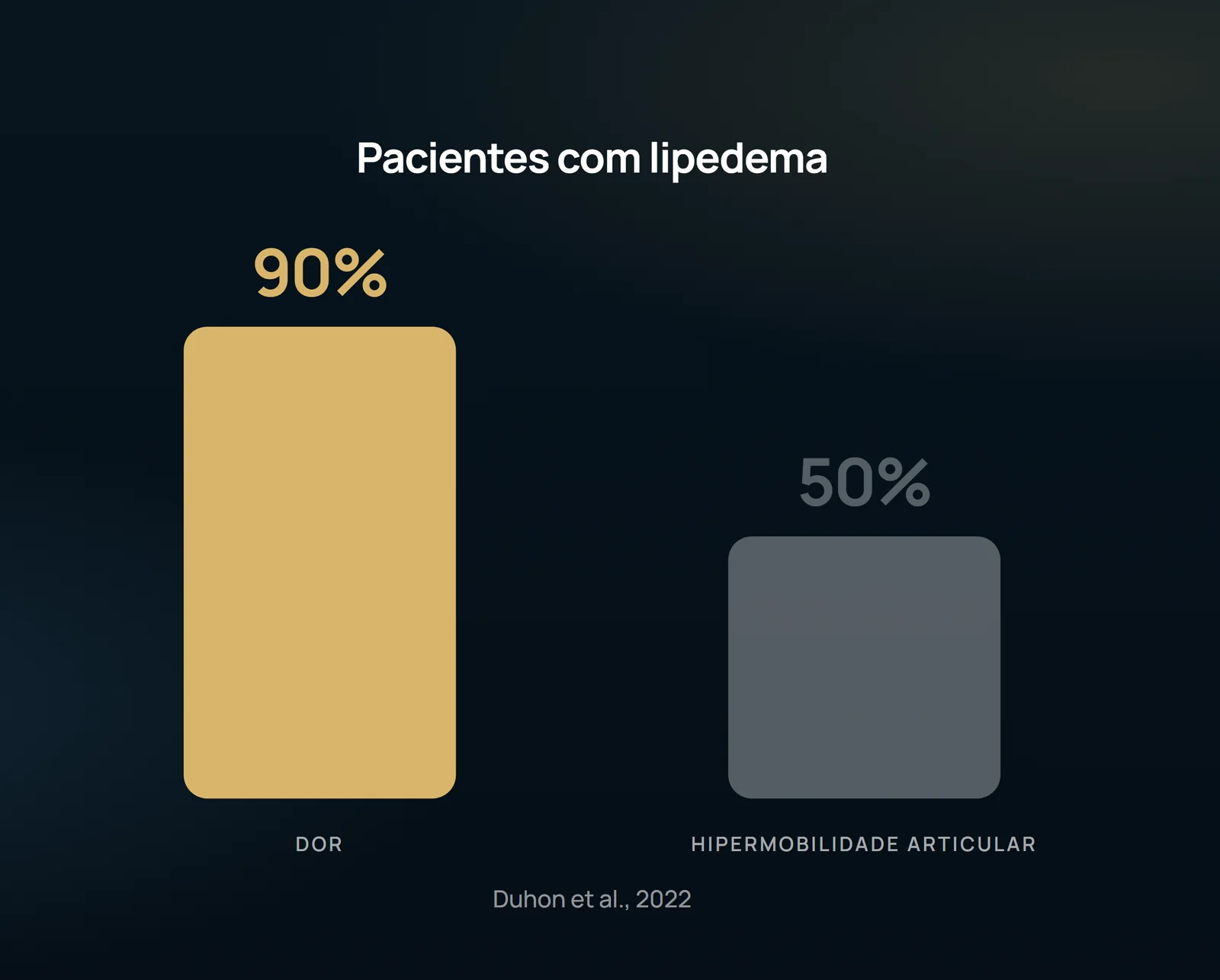 Lipedema · Differential diagnosis
Lipedema or lymphedema? Clinical signs that distinguish two swollen legs
A review of the mechanism organizes the two diseases in the order in which fluid, fat and fibrosis appear — and this order is what physical examination detects: spared foot, absence of pitting, response to elevation, symmetry and pain. No biomarker, no closed image: the diagnosis is clinical.
25 October 2026 · 3 min of readingRead the article → Sclerotherapy · hyperpigmentation
Hyperpigmentation after sclerotherapy: a matter of choices, not just bad luck
In the Swiss trial that compared polydocanol foam and Nd:YAG in the same patient, hyperpigmentation was 67.9% on the foam side against 39.3% on the laser side. What hardly anyone mentions is the explanation of the authors themselves — and the three levers that she puts in the hand of those who mount the session.
24 October 2026 · 5 min of readingRead the article → Endolaser · access and parameters
Endovenous laser in the interventional suite: access, contrast and 12 watts
The 2007 Korean series is remembered for the failure of direct laser in tributaries. Before that, however, it describes a route of access to the saphenous that today is hardly used: fluoroscopy, contrast venography, advanced 0.035 wire beyond the junction and power of 10 to 12 W in the magna. The route works — her price has never been measured.
23 October 2026 · 4 min of readingRead the article →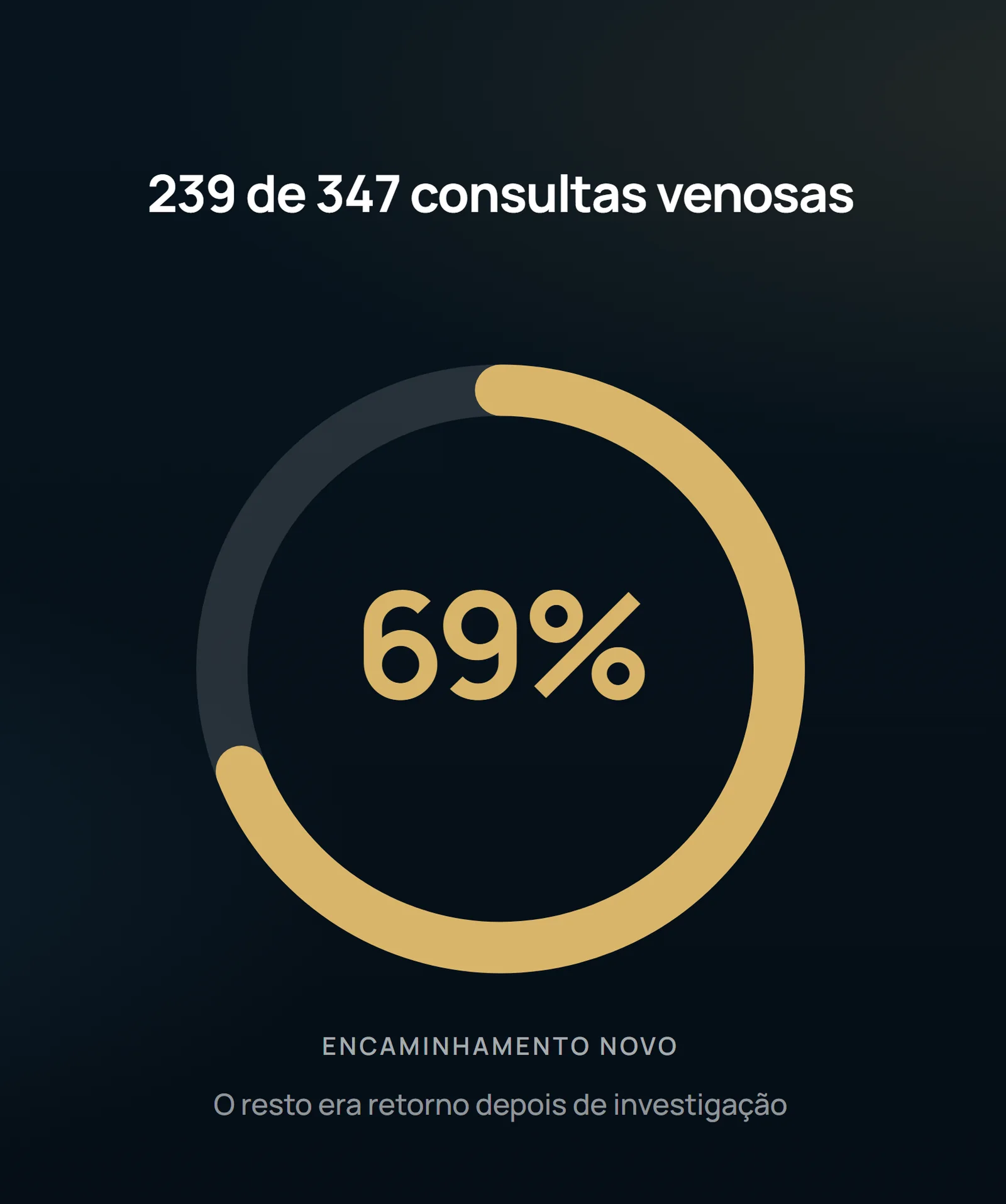 Photoplethysmography · venous screening
PPG did not replace duplex ultrasound — it changed who was referred for it
When an English service placed photoplethysmography at the entrance door of the venous outpatient clinic, referral to the duplex fell from 26% to 22% — and in new patients CEAP C2, it increased from 31% to 37%. The decision that the objective test really moved was another: the high one.
22 October 2026 · 4 min readingRead the article →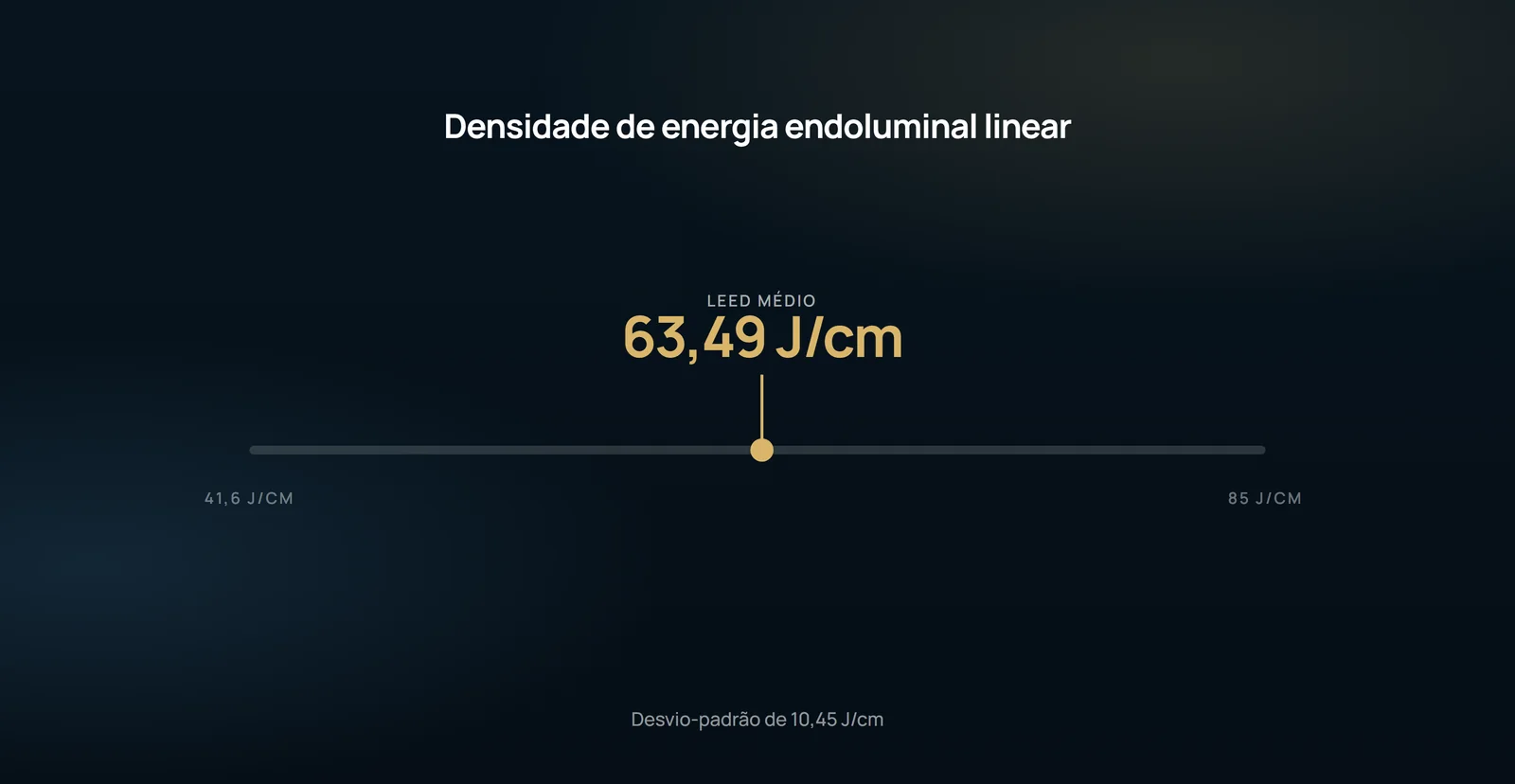 Endolaser · dose
63.49 J/cm: the 1470 nm laser dose used in the great saphenous vein
A Brazilian series of 54 limbs treated the small saphenous vein with 1470 nm laser and mean LEED of 63.49 J/cm. The number is only understood along with the type of fiber and the exclusion criterion: vein less than 5 mm from the skin was left out.
21 October 2026 · 4 min of readingRead the article →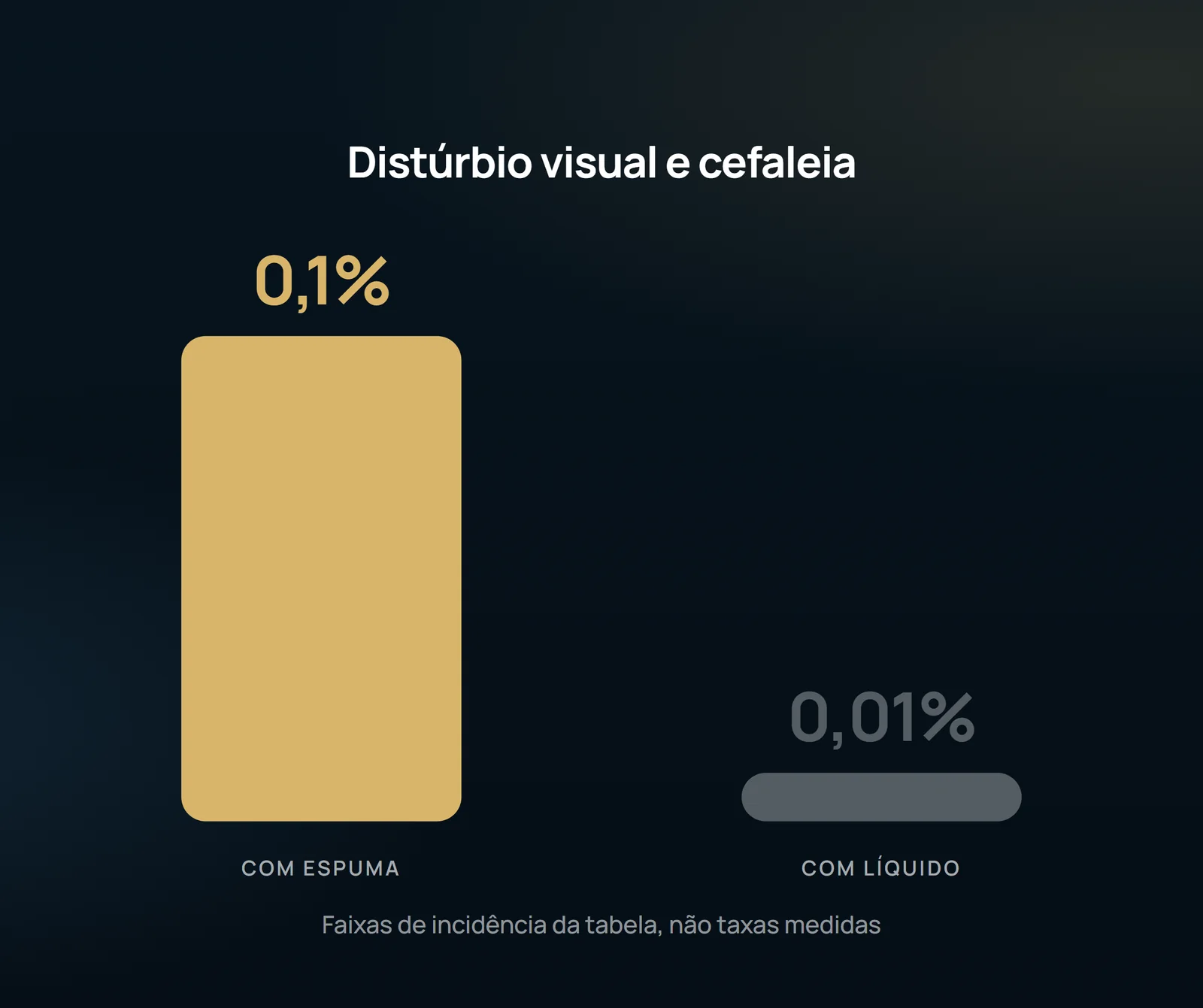 Sclerotherapy · foam
Patent foramen ovale and foam sclerotherapy: why the European guideline advises against routine screening
Symptomatic right-left shunt is an absolute contraindication to foam sclerotherapy, and patent oval foramen is in about 30% of the population. Nevertheless, the European directive recommends against routine research. This article goes through the reasoning and what to do in those who have already had neurological symptoms.
20 October 2026 · 4 min of readingRead the article → HELP-2 · recovery
Less pain, unchanged analgesic use: the recovery measured by HELP-2
The randomized trial of Samuel et al. is cited by the technical outcome. The block of secondary outcomes tells another story: pain was lower from the 4th to the 7th day in the laser arm, under the same analgesic prescription and with no difference in the frequency of analgesic intake.
19 October 2026 · 3 min of readingRead the article →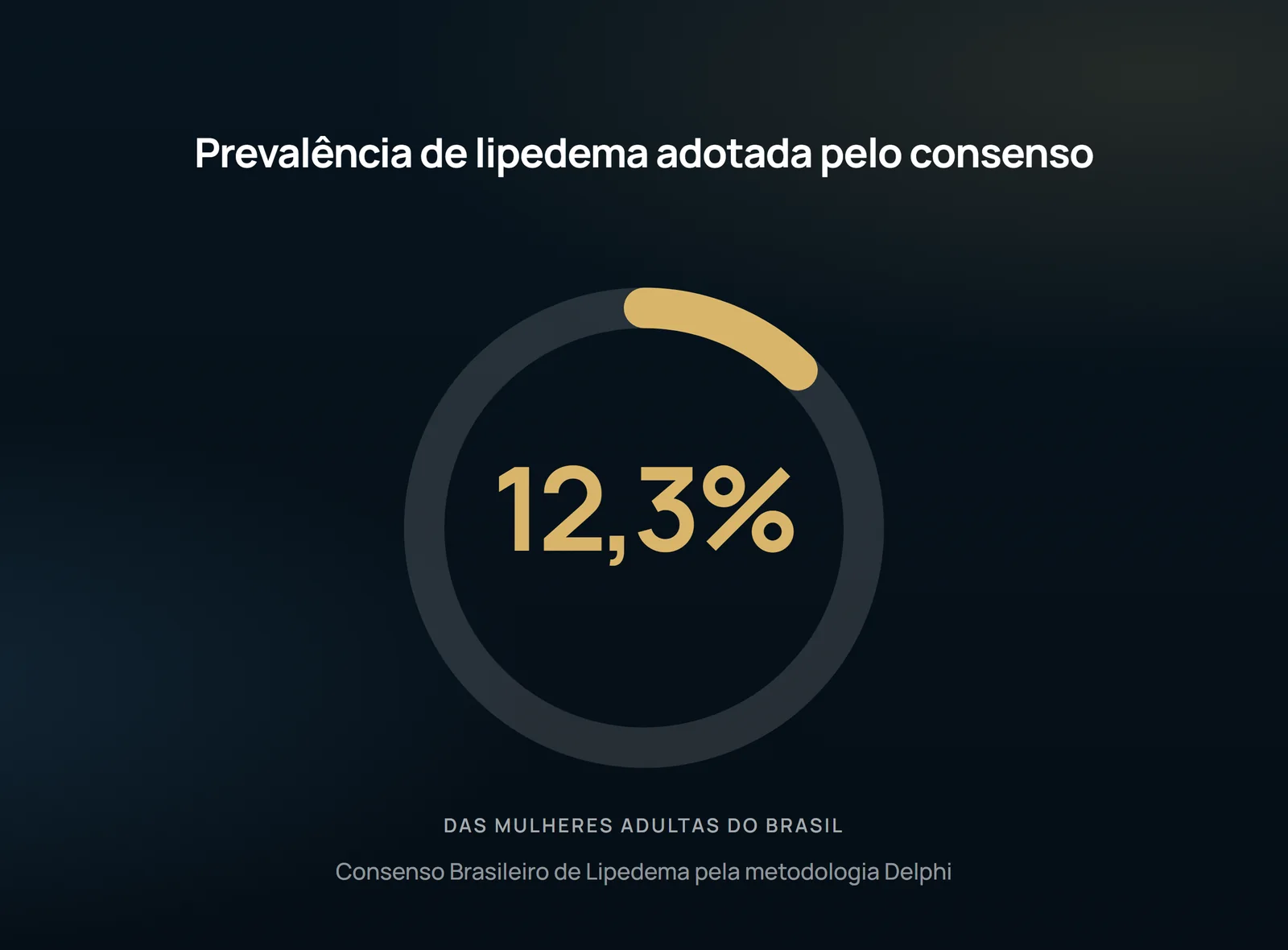 Lipedema · Brazilian Consensus
What the Brazilian Lipedema Consensus allows — and does not allow — vascular surgeons to claim
The SBACV consensus, by Delphi method, gathered 90 statements voted by 113 professionals. For the vascular, the value is in two places: the clinical criteria that close the diagnosis and the statements that prohibit promising — early surgery, aesthetics as objective and treatment without evidence.
18 October 2026 · 4 min of readingRead the article →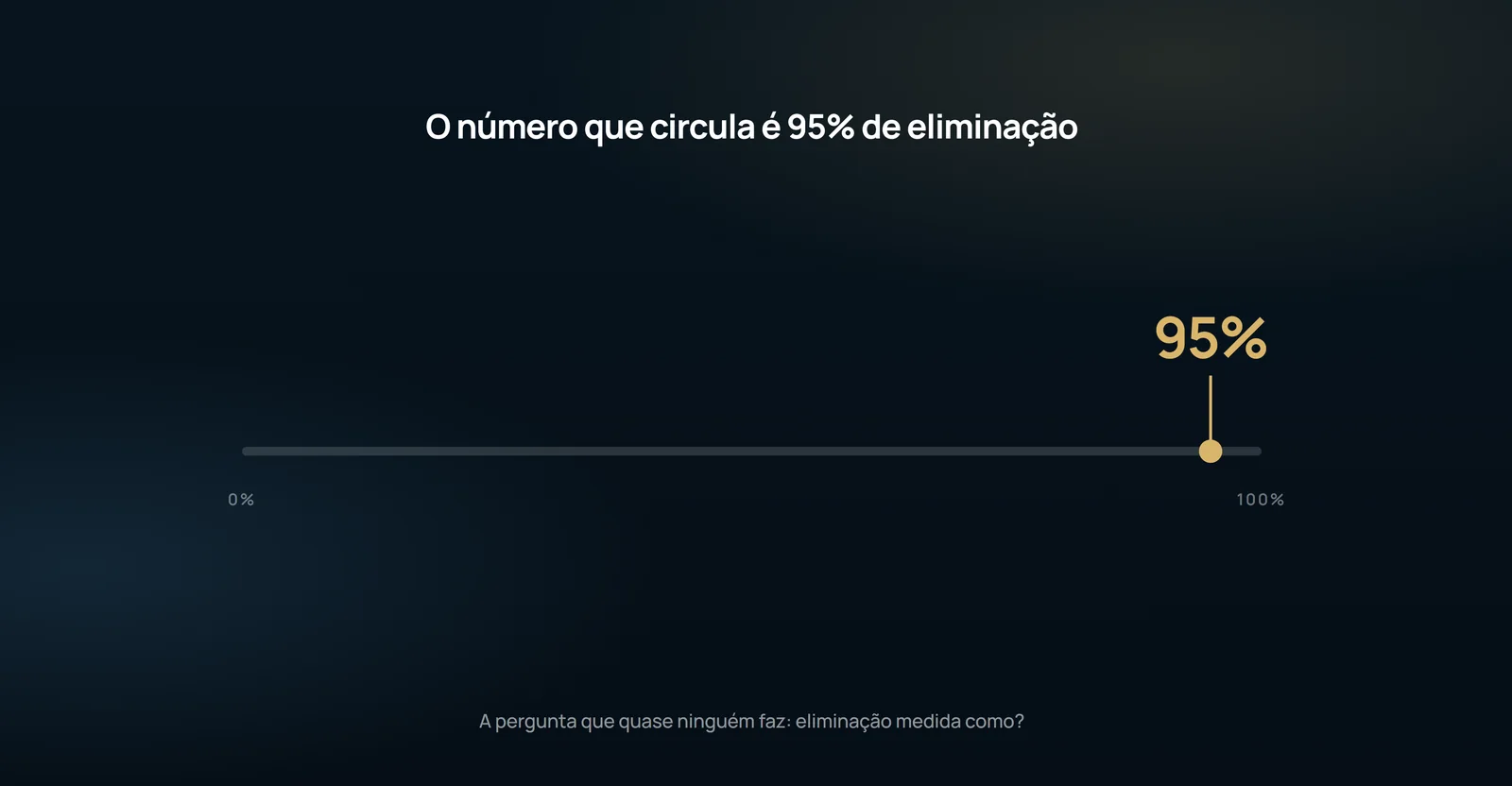 Methodology · how the outcome was measured
An effect of 12.65 standard deviations is not biology — it is the measurement scale
The test that popularized the foam sequence + Nd:YAG measured elimination by a 0 to 5 note given in photography by three blind evaluators. The scale does not separate 80% from 100% — and that is where an effect size of 12.65 standard deviations comes out.
17 October 2026 · 4 min of readingRead the article → Cost · four treatments of the great saphenous
The cheapest treatment fails most often — and laser does not cost less than surgery
The randomized trial that compared EVLA, radiofrequency, foaming and stripping in 580 legs also published the cost of each arm, divided into cost of procedure and lost work. Read carefully, this table reverses the ranking and changes the conversation of the query.
15 October 2026 · 4 min of readingRead the article →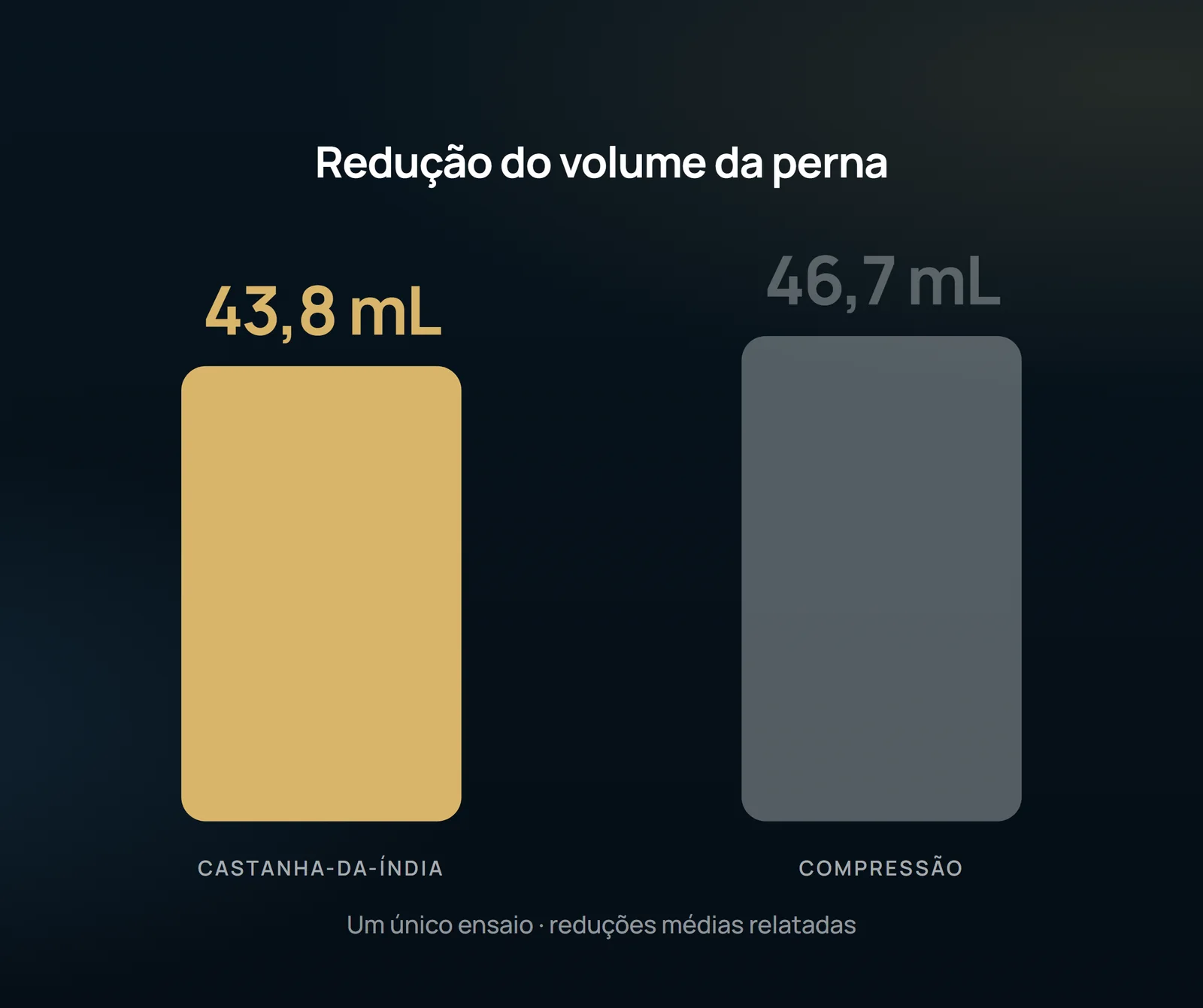 Venoactive · oedema
Swelling in milliliters: what venoactive drugs actually reduce
Venous symptom is reported; edema is measured. The review by Gloviczki and collaborators brings together what each venoactive compound reduced in milliliters of volume and in centimeters of circumference — and where this hierarchy begins not to sustain itself.
13 October 2026 · 4 min of readingRead the article → Venous disease · ablation mechanism
Closed or merely thrombosed: the venous scaffold that allows a vein to reopen
Whiteley's review orders varicose veins by one criterion: whether or not the damage crosses the vein wall. When it does not cross, early occlusion is thrombus, and medium and adventitious survive as a living venous skeleton that allows recanalization.
12 October 2026 · 4 min of readingRead the article →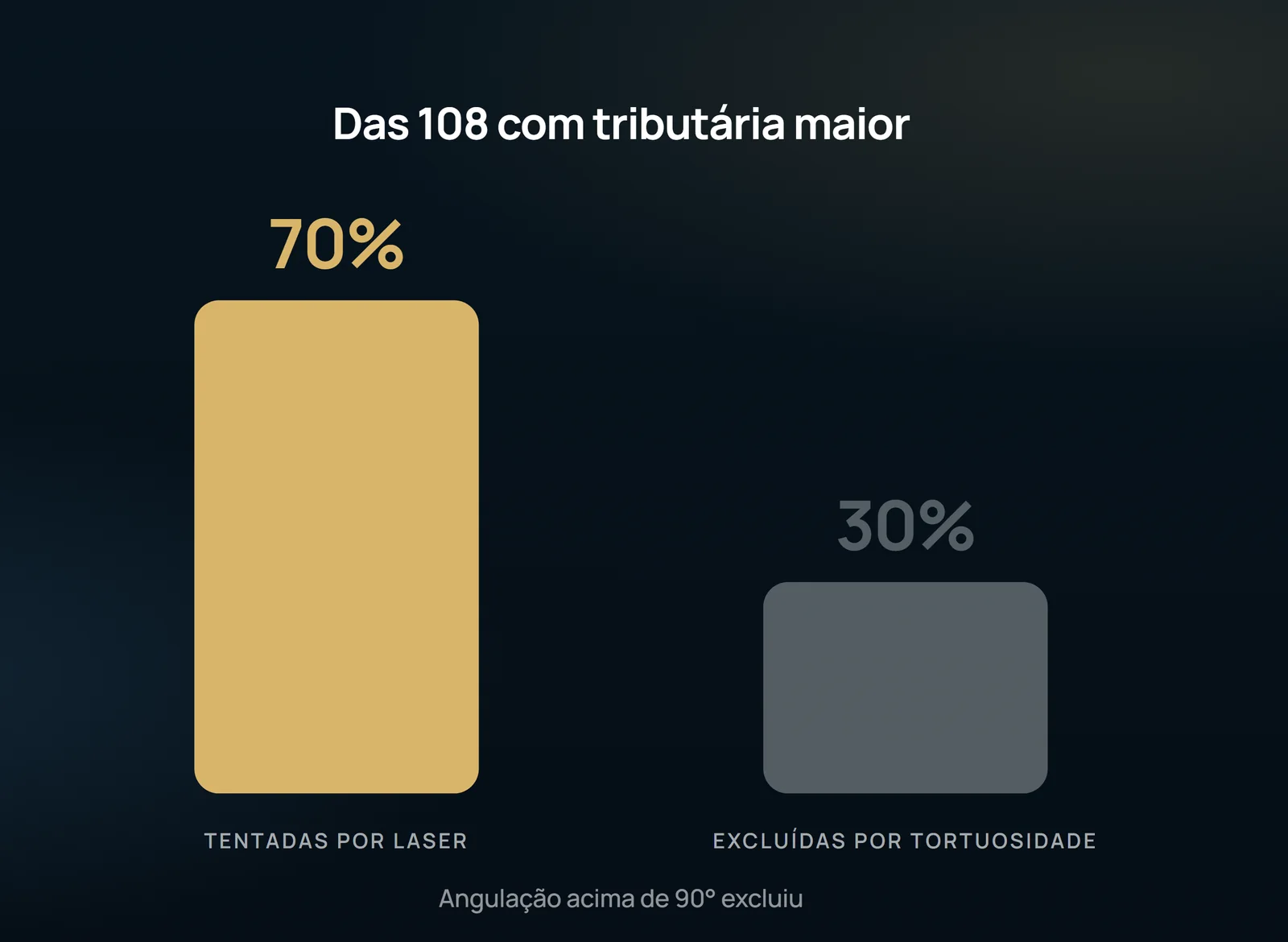 Endolaser · varicose tributaries
Treating a tortuous tributary with the same fiber used for the saphenous vein
The saphenous inside the sheath is straight and easy to cross. The tributaries outside of it is tortuous — and it is she who decides whether the laser serves. In this series of 173 venous systems, 30% of the largest tributaries systems were excluded due to tortuosity, and in the cases attempted the guide wire J alone was only 43%.
11 October 2026 · 5 min of readingRead the article →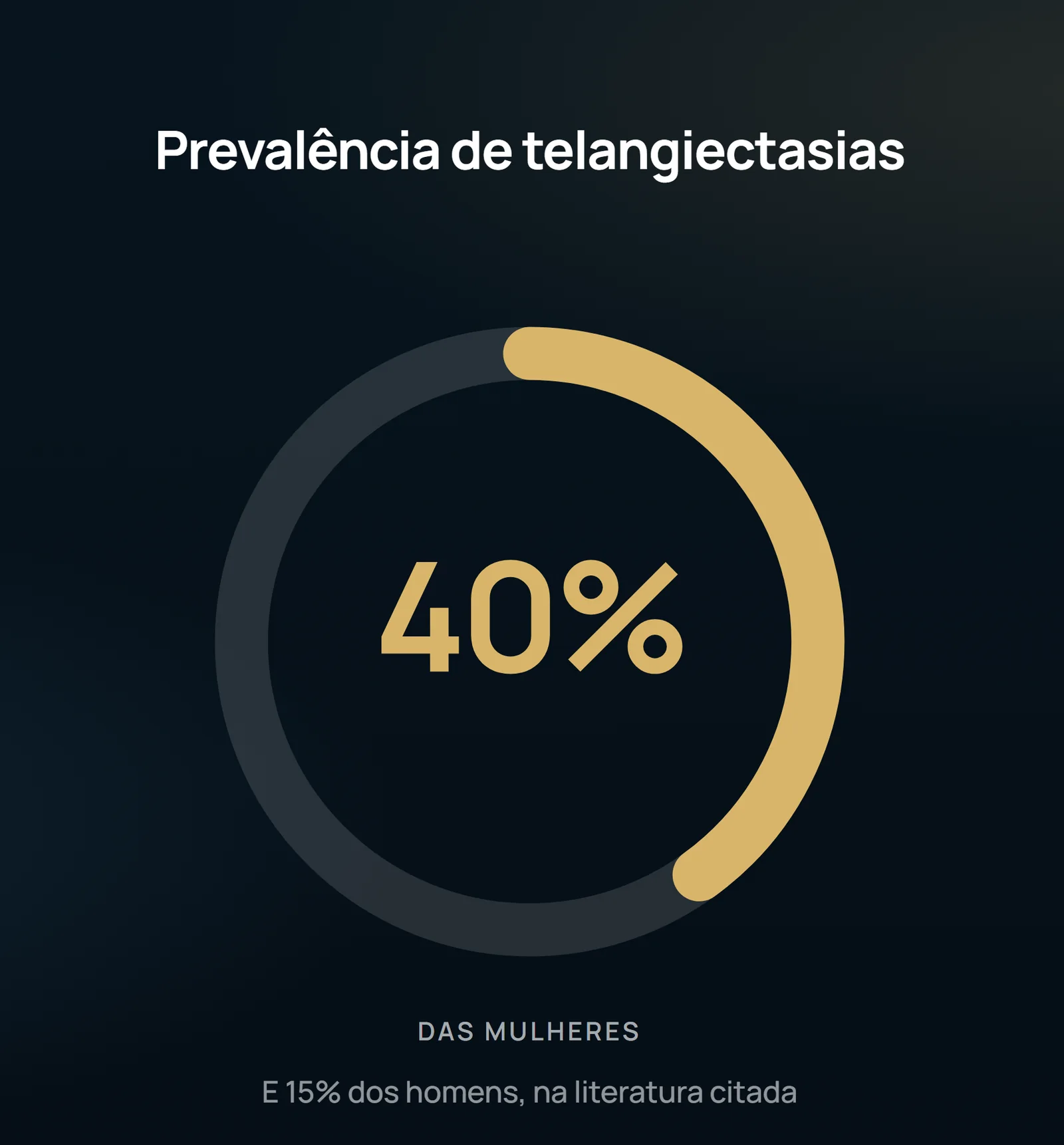 Telangiectasis · laser × sclerotherapy
Laser in one leg, glucose in the other: when photographs and patients disagree
Thirty women, one leg drawn for each method, three sessions and two blind evaluators. In the photographic analysis, the laser clarified more (7.9 × 7,0). In pain and satisfaction, sclerotherapy has won. The article concludes that both treat equally well.
10 October 2026 · 4 min of readingRead the article → Nd:YAG · pulse duration
3 ms versus 60 ms: constrict the vessel or simply thrombose it?
Spot and fluence are adjusted in every session; pulse duration almost always stays in the factory pattern. A study with six durations tested in the same patient shows what this parameter decides: whether the vessel contracts or just thrombi.
9 October 2026 · 4 min of readingRead the article →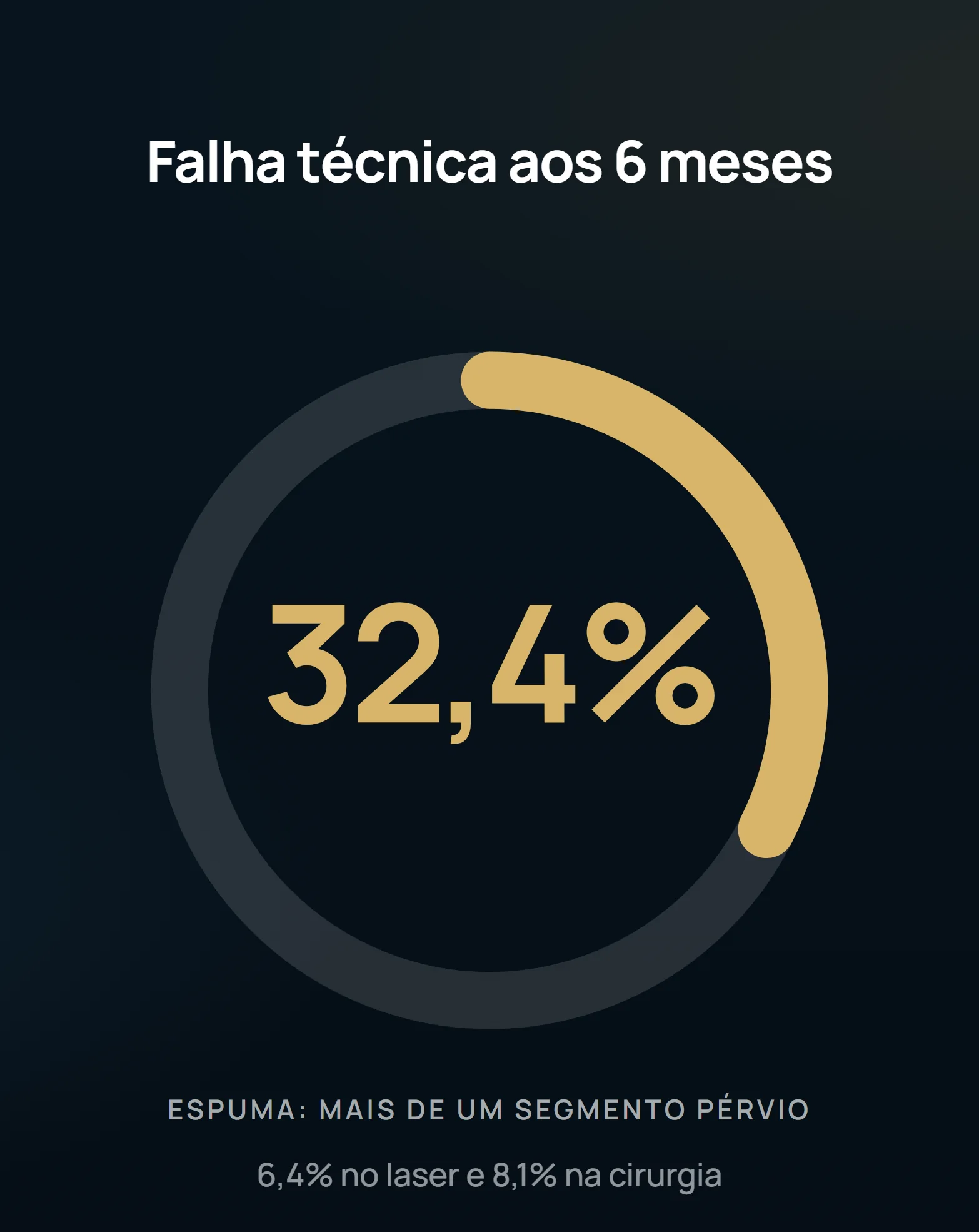 CLASS · NEJM Test
Similar quality of life, very different occlusion: what CLASS actually measured
CLASS randomized 798 patients between intravenous laser, foam sclerotherapy and surgery. In the quality of life outcomes, the three arms were close; in the occlusion measured by independent duplex, the foam was almost 40 points behind. That's the distance the surgeon needs to know how to explain.
8 October 2026 · 4 min readingRead the article → Consultancy · local anesthesia
In the office, anesthesia is part of the technique
Sclerotherapy, outpatient phlebectomy and percutaneous venous ablation fit in the office. What separates a tolerable procedure from a bad procedure is not the device — it is the dilutions, the anesthetic mixture, the order of the needles and the method of attaching the tape.
7 October 2026 · 5 min of readingRead the article →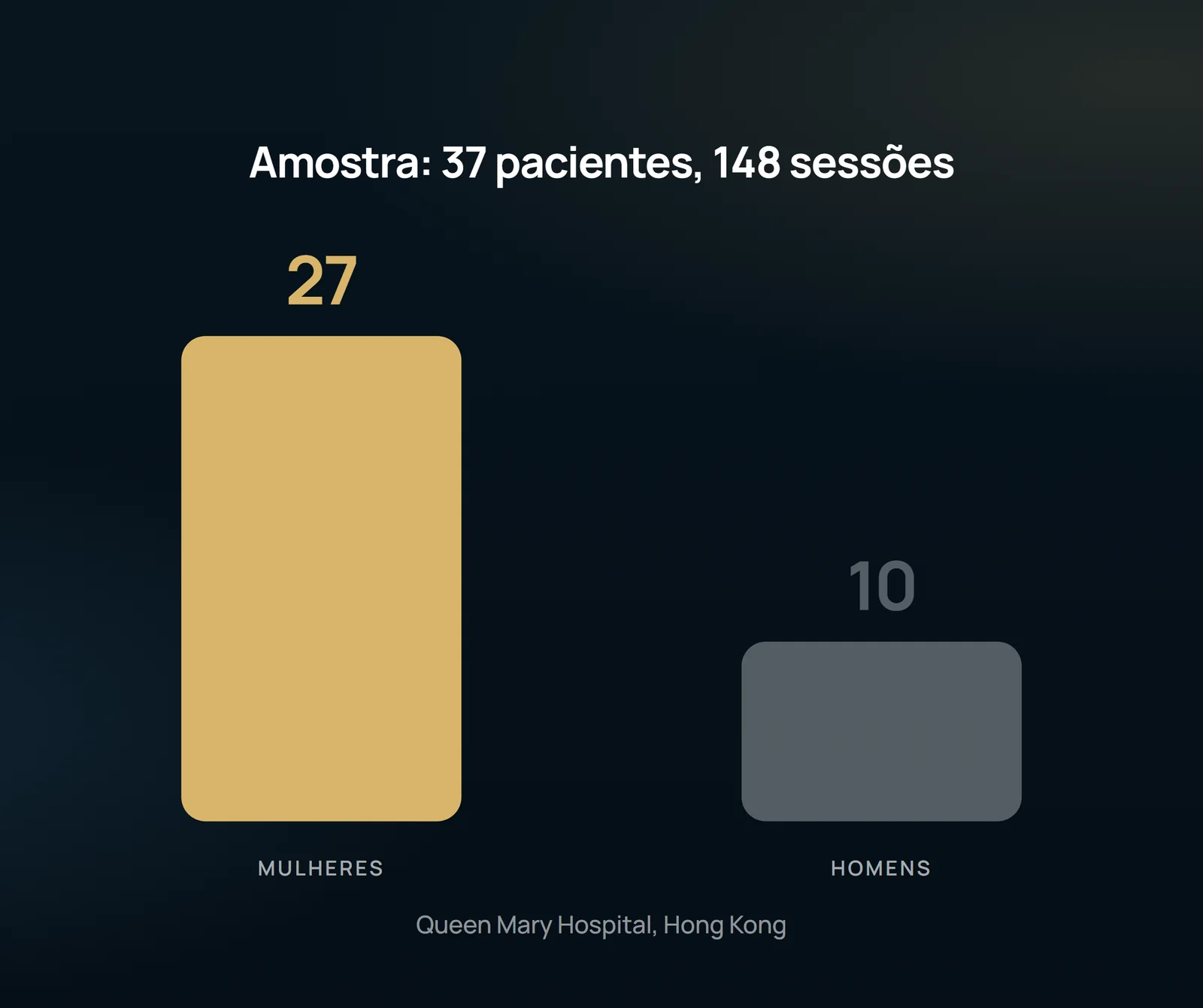 Laser · skin cooling
Skin cooling: pain relief, protection — and why it does not justify increasing fluence
A split-lesion study with 37 patients treated half of each lesion with a cooled sapphire plate and the other half with cooling off. The immediate pain fell and 82% preferred the cold side — but the great fluence did not change. The mechanism explains why, and the limit of extrapolation is great.
6 October 2026 · 4 min of readingRead the article →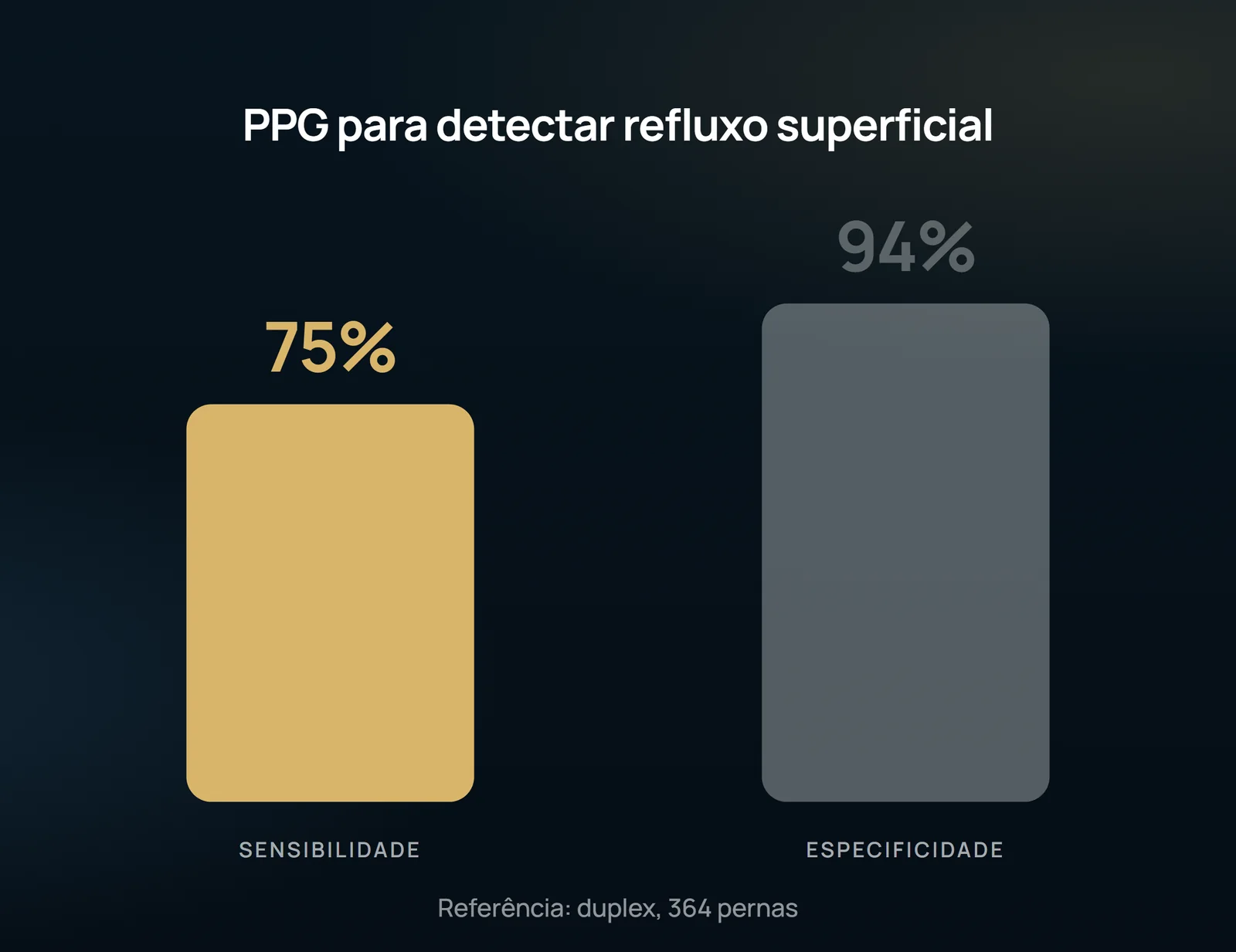 Photoplethysmography · venous disease
The number that predicts symptom improvement: venous refilling time
The leg complaint correlates poorly with what the test shows. In 246 Birmingham patients, venous refill time measured by digital photoplethysmography increased from 11 to 31 seconds after foam sclerotherapy — and those who normalized the time had more symptom relief: 80% versus 65%.
5 October 2026 · 4 min of readingRead the article →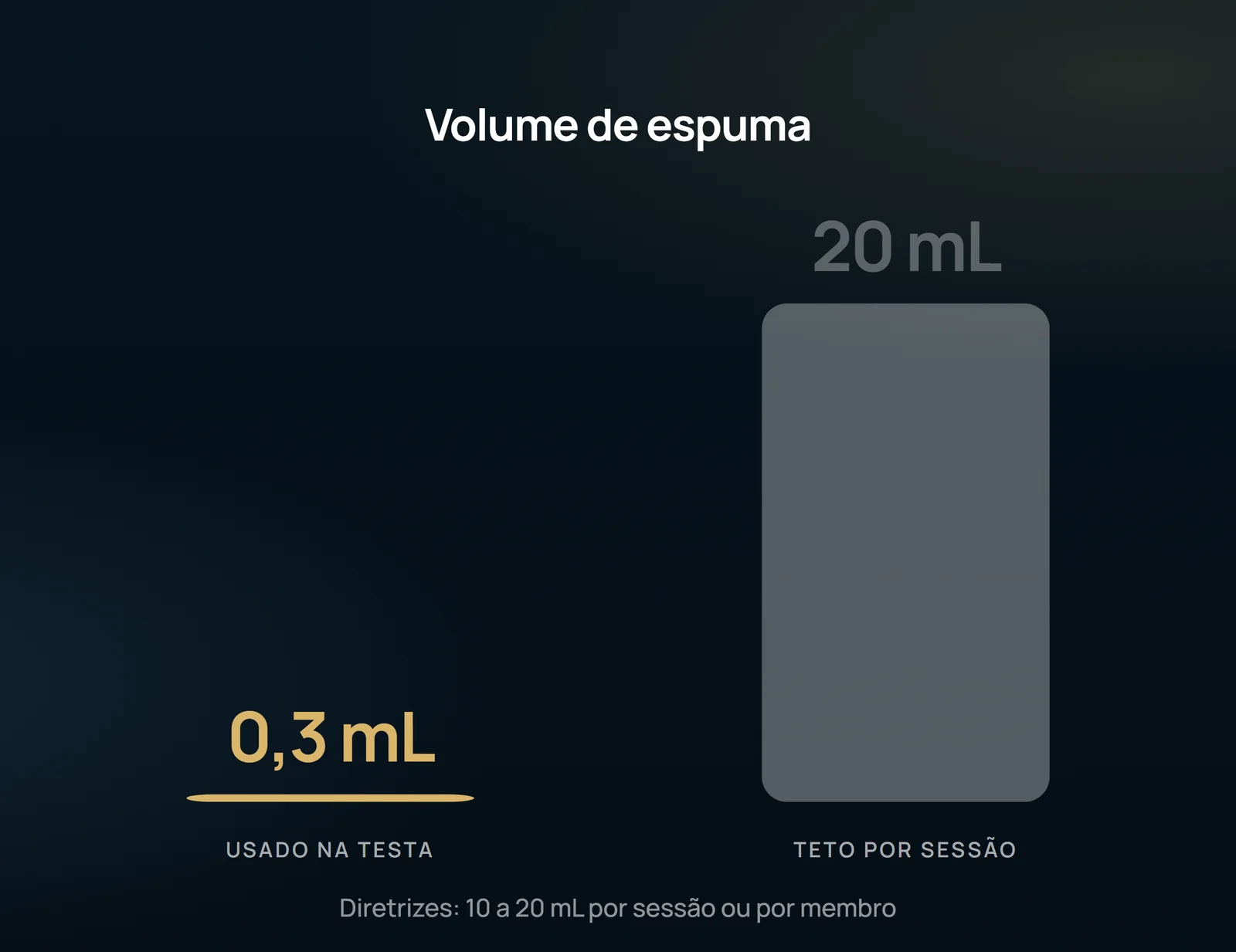 Facial veins · supratrochlear
The forehead vein drains into the cavernous sinus
The dilated frontal vein looks like a surface problem. It is not: part of its drainage follows through the ophthalmic veins to the cavernous sinus. A Brazilian case report describes the anatomy, risk and three maneuvers required by the technique.
4 October 2026 · 4 min of readingRead the article → Laser × foam · telangiectasis
Two legs in the same patient — and the blinded assessor who found no difference
A randomized trial treated one leg with Nd:YAG laser and the other with polydocanol foam in the same patient. The dermatologist who performed the two gave different notes to both legs; blind evaluators, looking at the same photographs, found no difference (P 0.84).
3 October 2026 · 4 min readingRead the article →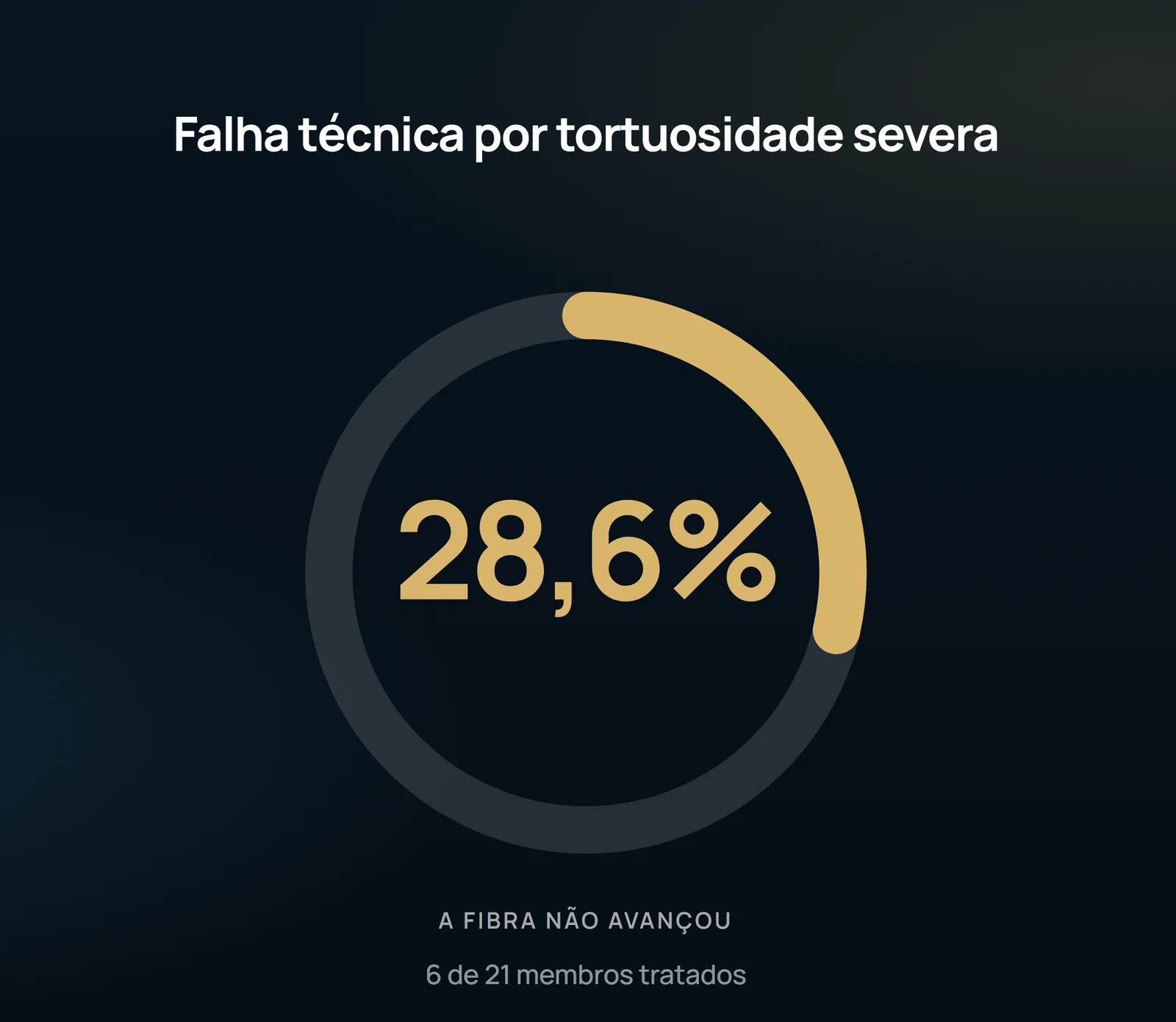 Tributaries · negative study
The study that tried to replace phlebectomy — and showed the opposite
A Korean group punctured branch varicosities and treated them with a fiber of 400 μm in the same session of the tromcular endolaser. The trunk closed in 100% of the limbs; the tributaries, in 54.5%. The authors concluded against the very hypothesis — and that is the lesson.
2 October 2026 · 4 min of readingRead the article → Venous evaluation · photoplethysmography
The seated test that reduced indications for varicose vein surgery
A British service changed the order of exams: it placed photoplethysmography as the first objective test of the outpatient clinic before the duplex. With the same surgeon and clinic, the surgery offered dropped from 39% to 24% — and from 51% to 28% in CEAP patients C2.
1 October 2026 · 4 min readingRead the article →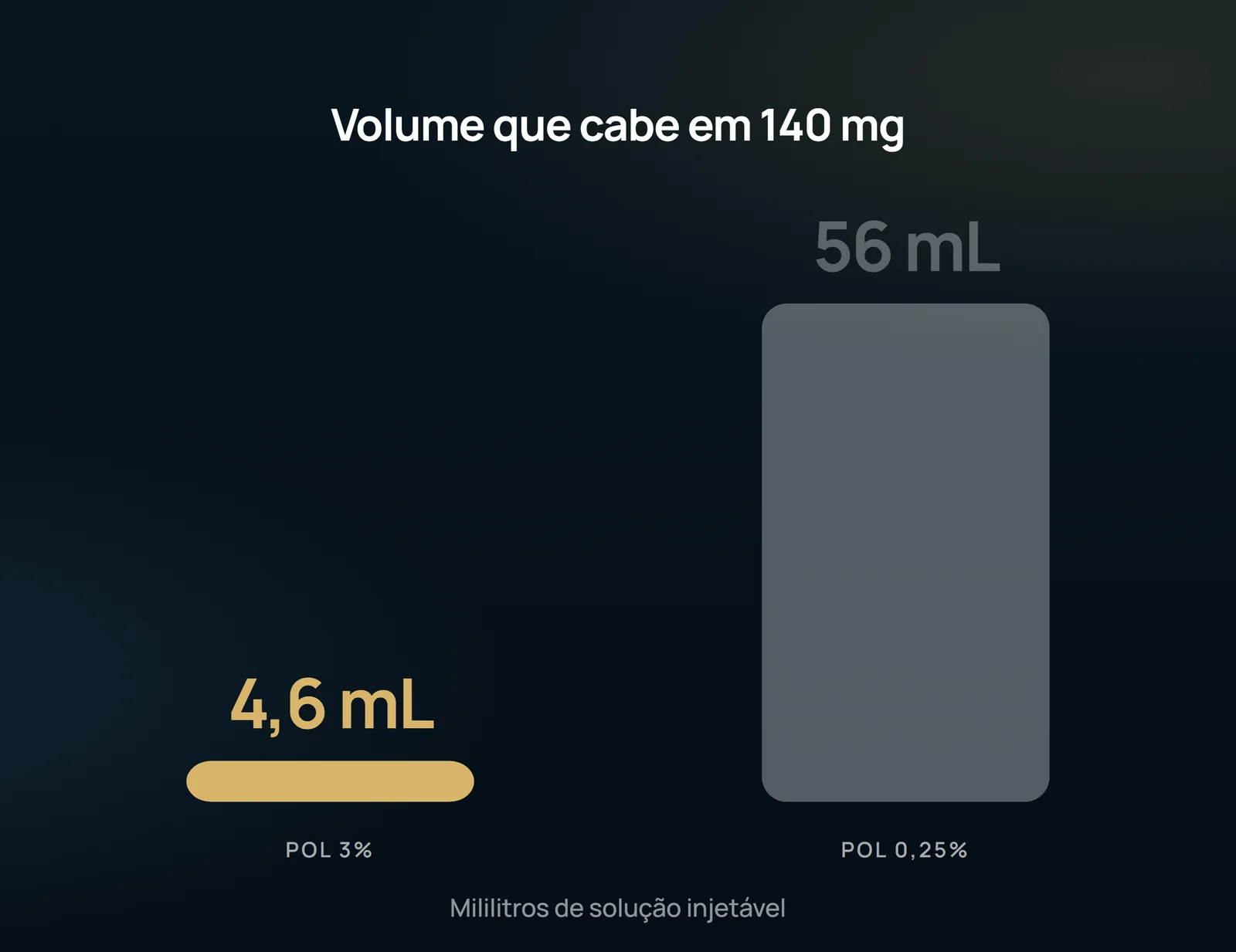 Sclerotherapy · European guideline
Sclerotherapy dosage: what the European guideline defines and what it leaves open
The guideline written by 23 European societies does not discuss which sclerosing to use. It binds the concentration to the diameter of the vein, puts 10 mL of foam per session and limits the polydocanol to 2 mg/kg per day — and says, with all the letters, where the evidence is still missing.
30 September 2026 · 4 min of readingRead the article → Sapena parva · randomized trial
10 centimeters: what great saphenous vein surgery actually removed
The first randomized trial in the small saphenous vein was known for the difference of technical success. The finding that explains this difference is in the table of interventions: inversion phleboextraction was only possible in 66% of the legs, and removed a median of 10 cm.
29 September 2026 · 4 min readingRead the article →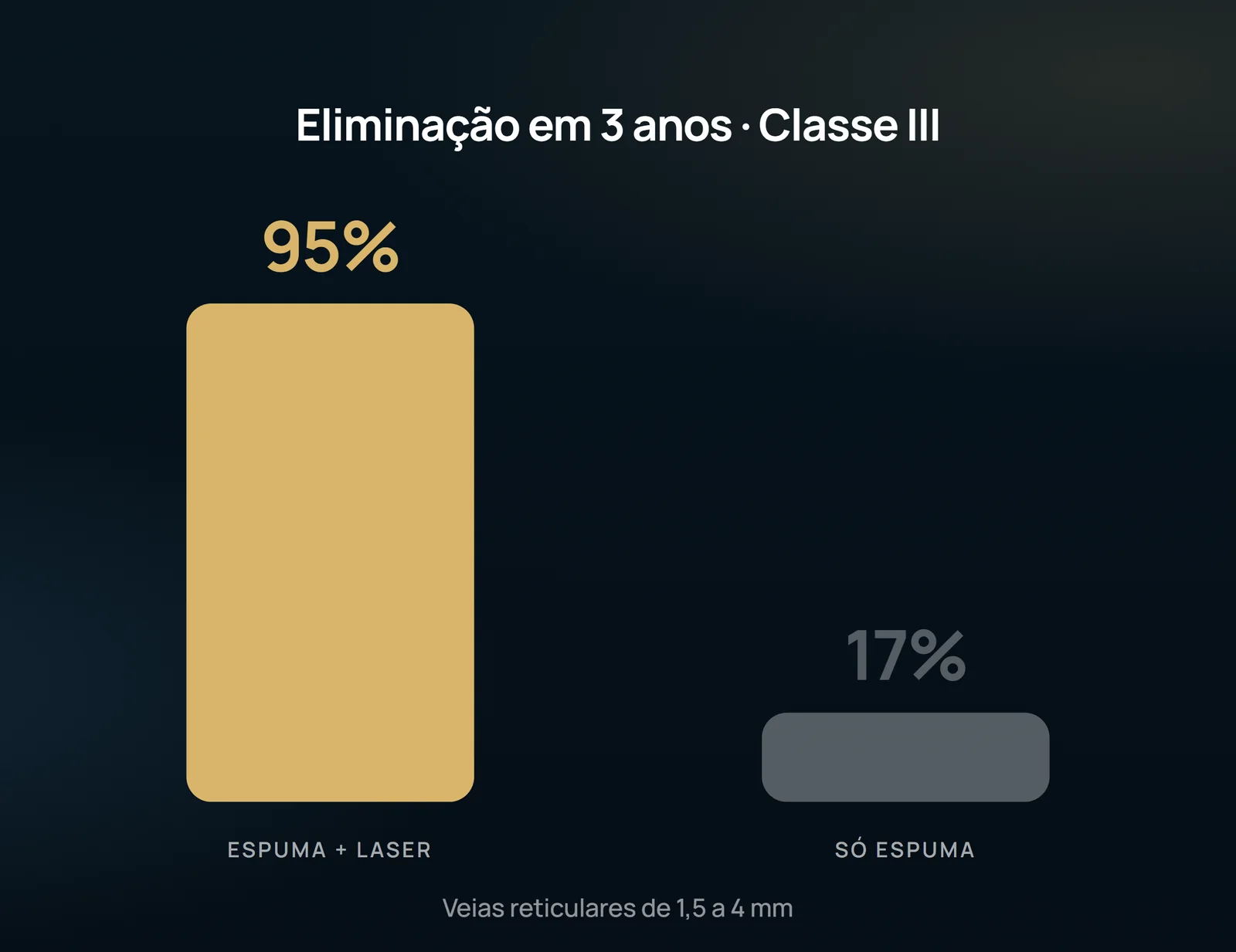 Foam + laser · vessels
Foam first, laser second — with a window of 1 to 3 minutes between them
A randomized trial with blind evaluation followed 517 legs treated with polydocanol microfoam followed by Nd:YAG laser, against 79 treated only with foam, for three years. The sequence — and waiting between the two steps — is what defines the method. And she has a cost in pain.
28 September 2026 · 4 min of readingRead the article → Sapena magna · network meta-analysis
Anatomical failure is not clinical recurrence — and laser illustrates the difference
The meta-analysis in a network of 74 randomized trials published in the BJS found more anatomical failure with EVLA than with open surgery in the long term — and, at the same time, no difference in clinical recurrence, reintervention or quality of life. The distance between the two outcomes is the finding that matters.
27 September 2026 · 4 min of readingRead the article →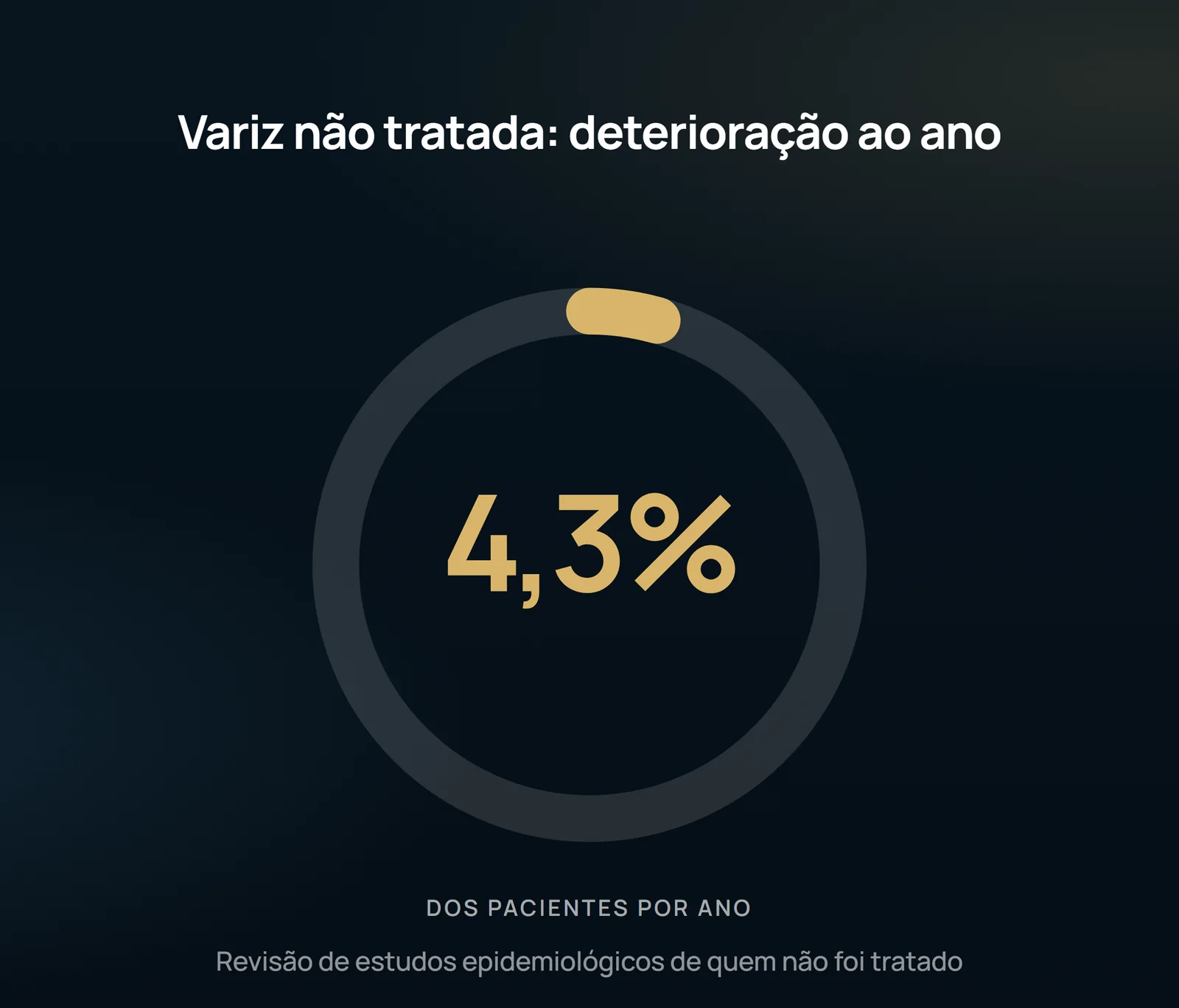 Venous disease · natural history
4.3% per year: what happens to untreated varicose veins
Whiteley's review brings together what is known about the varicose veins left untreated: an annual rate of deterioration by stage CEAP, a randomized trial in which compression lost in quality of life, and the line that separates medical indication of aesthetic service.
26 September 2026 · 4 min of readingRead the article →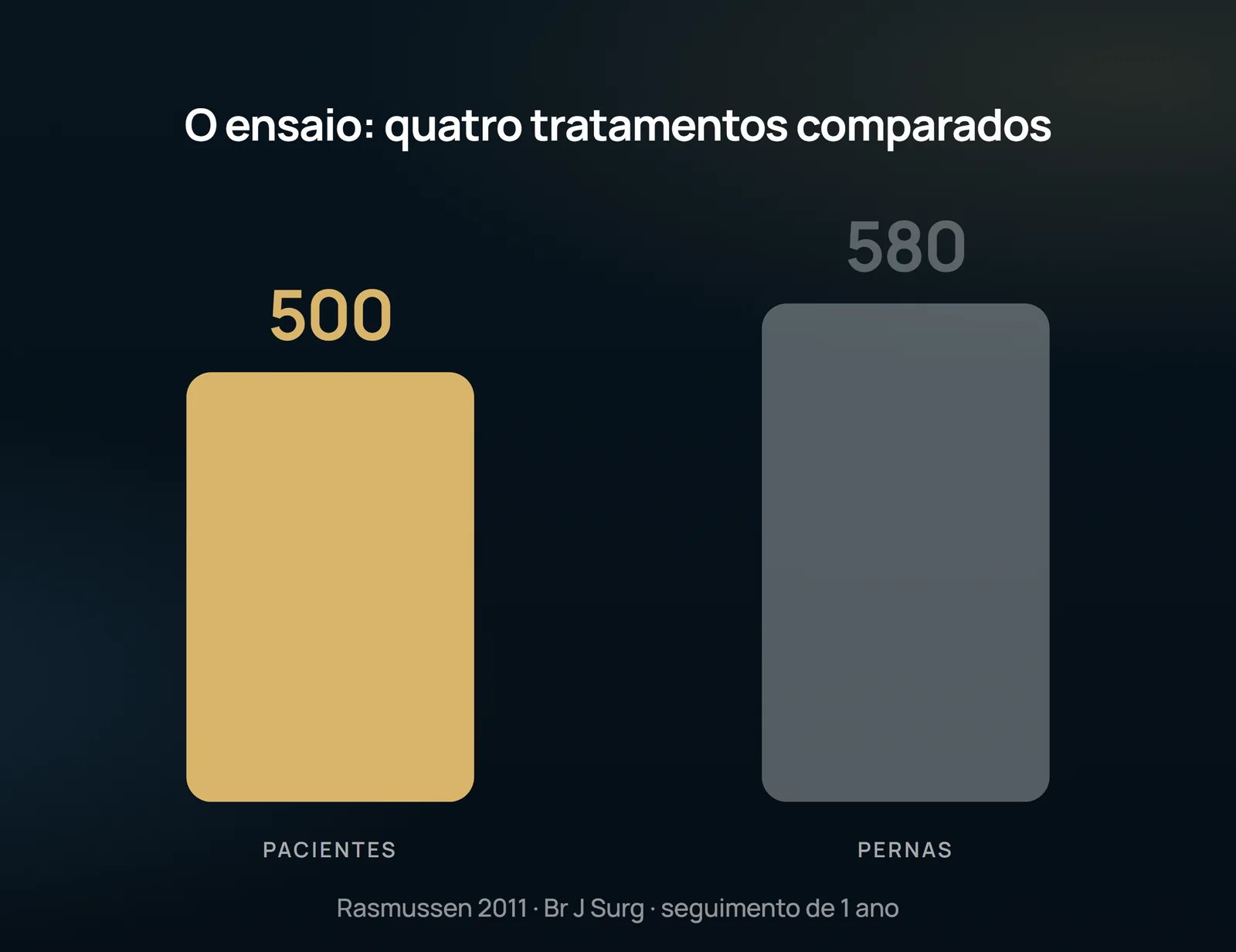 Variesties · randomized trial
Laser, radiofrequency, foam or surgery: a trial comparing all four on the same day
Five hundred consecutive patients, 580 legs, four arms and one year of follow-up. Foam failed about three times as much — and it was, along with radio frequency, the least painful method. The article does not elect a winner.
25 September 2026 · 4 min of readingRead the article →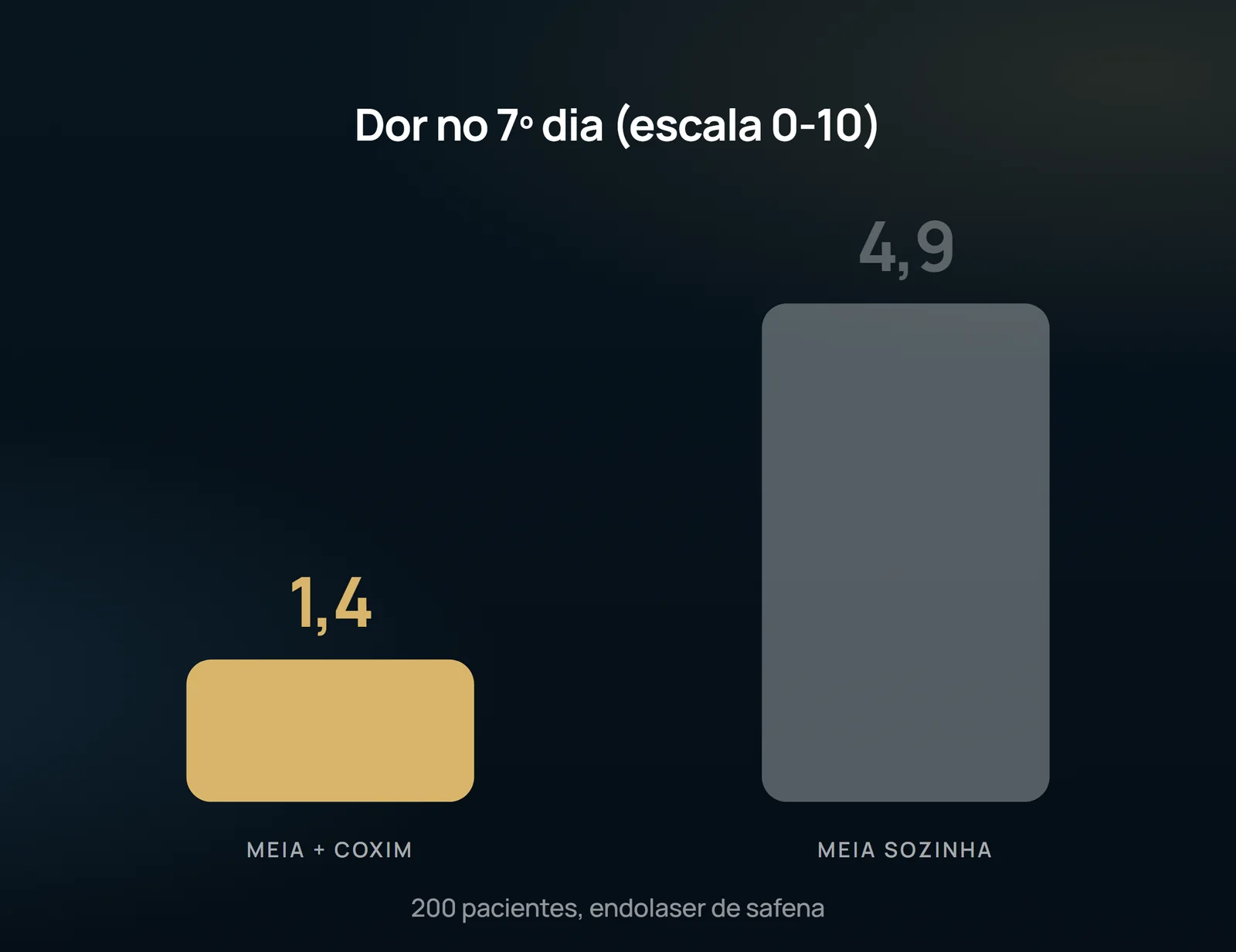 Compression · post-ablation
It is not just the stocking — it is where the pressure is applied
The joint guideline of five societies reviewed the evidence of compression after invasive treatment of superficial veins. The recommendation with the highest level of evidence is not about using sock: it is about putting pressure focused on the treated vein.
24 September 2026 · 4 min of readingRead the article → Venoactive · venous ulcer
A tablet that helps venous ulcers heal faster — and what it cannot do
The 2025 review of the Journal of Vascular Surgery: Venous and Lymphatic Disorders separates marketing from evidence in venoactive compounds. In the toughest outcome — healed ulcer — three drugs reach level A, and always as adjuncts to compression.
23 September 2026 · 4 min of readingRead the article → Venous disease · relapse
Why varicose veins return: the reflux nobody looked for
Changing stripping for intravenous ablation is not by itself a change of practice. The review of Whiteley's best practices argues that recurrence comes from sources of reflux that the typical randomized trial did not seek: incompetent perforations and pelvic venous reflux.
22 September 2026 · 4 min readingRead the article →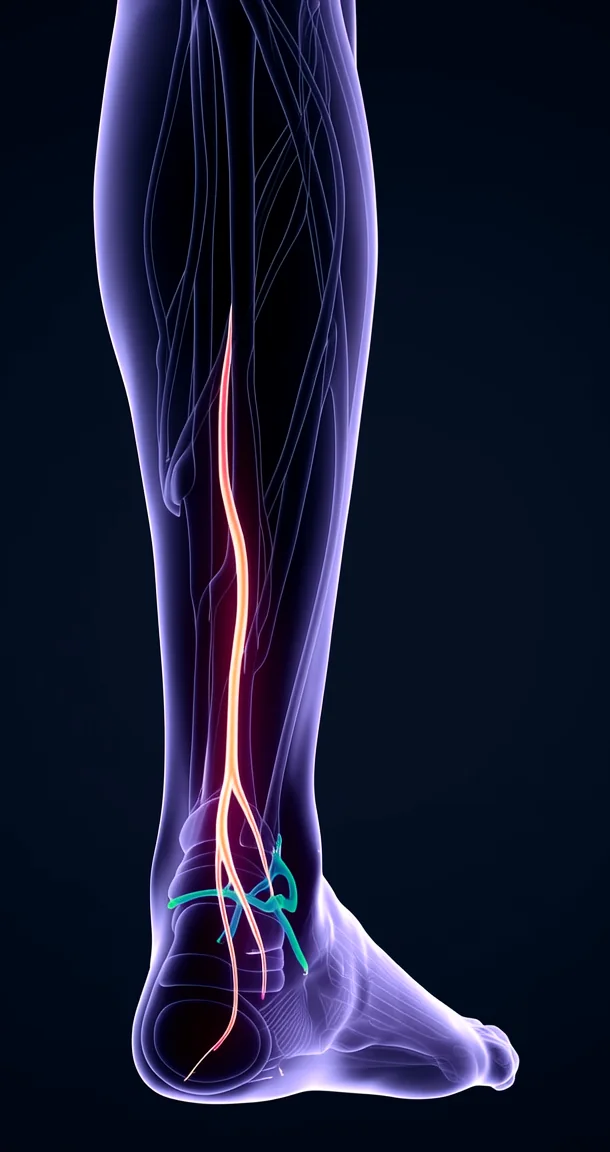 Endolaser · dumb saphenous
The vein surgeons once feared operating on — and what laser changed
The proximity of the sural nerve made the small saphenous vein the vein that was avoided operating. A Brazilian study followed 54 legs treated with endolaser and local anesthesia — and the figures explain the change of conduct.
21 September 2026 · 3 min of readingRead the article → International CongressDr. Carlos Eduardo at the 32nd IUA World Congress in Cartagena
International laser lectures for varicose veins at the largest global angiology event.
Read full article → Clinical comparisonTreatment of varicose veins: laser, foam or surgery? What science has proven
Comparative analysis of the three main techniques, based on scientific evidence and clinical practice.
Read full article → Tumescent techniqueTreatment of saphenum without general anesthesia: the tumescent technique explained
Safe outpatient procedure, with rapid recovery.
Read full article → CoolingLaser for painless varicose veins: how cooling changes everything
Because active cooling of the skin has become standard, and safety parameters.
Read full article → Scientific studyTreatment of saphenous: laser, foam or surgery — what the largest study shows
Immediate and late results of the three techniques, compared in a large-scale study.
Read full article → Applied researchLaser Nd:YAG + hyaluronic acid accelerate skin healing
As the combination Q-switched Nd:YAG with hyaluronic acid complex accelerates post-procedural regeneration.
Read full article →Follow us on social media.
Instagram @drcadu.angio and blog AngioGold publish medical content every week.